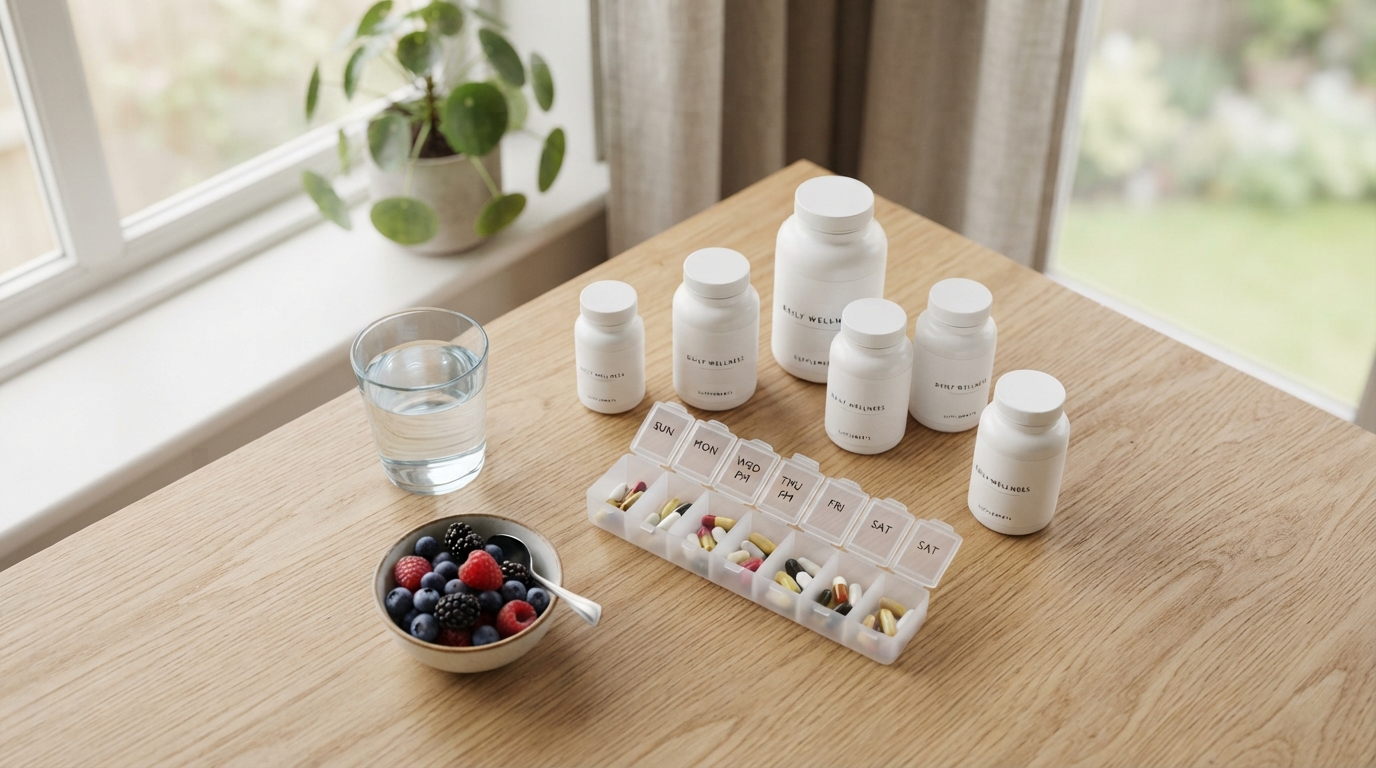

The treatment of iron deficiency after gastric bypass starts with oral iron supplements and, when those fall short, moves to intravenous (IV) iron infusions prescribed and supervised by your bariatric team. Because the gastric bypass procedure reroutes food away from the duodenum — the part of the small intestine where most iron is absorbed — your body has a harder time absorbing iron from food and supplements for the rest of your life. The good news is that with the right plan, the right labs, and consistent follow-up, iron deficiency is very manageable.
Key Takeaways
- Iron deficiency is the most common long-term nutrient deficit after gastric bypass, affecting a large proportion of patients within several years of surgery.
- Oral iron supplements are the standard first-line treatment; IV iron is used when oral therapy fails or is not tolerated.
- Taking iron with vitamin C and separating it from calcium by at least two hours can meaningfully improve how much your body absorbs.
- Ferritin, serum iron, and transferrin saturation should be checked at least once a year for life — because your iron stores can drop long before you feel symptoms.
- Menstruating women and people who have had a gastric bypass vitamin deficiency history are at the highest risk and often need higher doses and closer monitoring.
Why Does Iron Deficiency Happen After Gastric Bypass?
Think of iron absorption like a toll road. Before surgery, food travels through the duodenum and upper small intestine — the toll booths where iron gets collected. During gastric bypass, the duodenum, which is the primary site of iron absorption, is completely removed from the digestive tract. Your food now bypasses those toll booths entirely, so far less iron gets through.
Three overlapping problems drive this deficiency:
- Bypassed absorption site: The duodenum and upper jejunum — your main iron absorption sites — are bypassed by design.
- Less stomach acid: Gastric bypass also dramatically reduces gastric acid secretion, which normally improves iron absorption by converting ferric iron into its reduced ferrous form. Ferrous iron is the form your body can actually use.
- Dietary changes: Iron deficiency is common after bariatric surgery because patients tend to eat less food after surgery, often less meat, which leads to decreased intake of heme iron.
Iron deficiency or iron insufficiency occurred in two-thirds of patients 10 years after gastric bypass, even though more than half of them reported taking oral iron supplements. That statistic underlines why the treatment of iron deficiency after gastric bypass has to be active and ongoing — not a one-time fix.
Who Is at the Highest Risk?
Menstruating women, pregnant women, and adolescents may be particularly predisposed to developing iron deficiency and microcytic anemias after bypass surgery. For men, or for women past menopause, iron deficiency anemia might not be related to gastric bypass surgery — and your team will want to rule out bleeding from another source. People who follow a vegetarian or plant-based diet are also at elevated risk, since plant foods contain non-heme iron, which is less readily absorbed than the heme iron found in meat and fish.
What Are the Symptoms of Iron Deficiency After Gastric Bypass?
One of the trickiest things about iron deficiency is that it builds slowly. Anemia first occurs at a late stage in the process of decreasing iron stores, and iron deficiency without anemia might be an important cause of impaired health in patients who have undergone bariatric surgery. In other words, your labs can flag a problem months before you feel it.
When symptoms do appear, they can include:
- Fatigue and weakness — often the first and most persistent sign
- Hair loss and brittle nails
- Pale or yellowish skin
- Rapid heartbeat or pounding sensation in the ears
- Shortness of breath and headaches
- Restless legs, reduced exercise performance, and cognitive impairment — symptoms of iron deficiency without full anemia
- Pica — craving and chewing ice (pagophagia) or non-food substances, which is a surprisingly common sign of iron deficiency
If you have any of these symptoms, tell your bariatric team right away. Never assume they are just “normal” post-surgery tiredness.
How Is Iron Deficiency Diagnosed?
Your bariatric team will order a panel of blood tests — not just a hemoglobin check. Routine laboratory testing to assess for iron deficiency should include a complete blood count, ferritin, iron concentration, and total iron-binding capacity, which is used to calculate transferrin saturation.
Ferritin is the best marker of iron status, and in a patient without inflammation, iron deficiency occurs when ferritin levels are below 15 µg/L, while iron insufficiency occurs when ferritin levels are below 50 µg/L. There is one important catch: serum ferritin, an acute phase reactant and marker of inflammation, can be elevated by any type of inflammation and is not always a reliable test of iron status if it is within normal limits. That is why your team looks at the full picture — ferritin together with serum iron and transferrin saturation — rather than a single number.
Your doctor should measure your iron levels about six months after weight-loss surgery and at least once a year after that. You can get iron deficiency and anemia years or even decades after your gastric bypass surgery, so you will need to monitor your level of iron and other nutrients for the rest of your life.
Key Lab Values to Know
| Lab Test | What It Measures | Why It Matters After Bypass |
|---|---|---|
| Ferritin | Iron stores in the body | First to drop; low ferritin signals depleted stores even before anemia develops |
| Serum iron | Iron circulating in blood right now | Can fluctuate with diet; best interpreted alongside ferritin |
| Transferrin saturation (TSAT) | Percentage of iron-carrying protein that is loaded with iron | Low TSAT alongside low ferritin confirms iron deficiency |
| Hemoglobin / CBC | Red blood cell count and quality | Anemia only shows here when stores are already very low |
| MCV (mean corpuscular volume) | Size of red blood cells | Small, pale red cells (microcytic anemia) are a hallmark of iron deficiency |

How Is Iron Deficiency Treated After Gastric Bypass?
Treatment of iron deficiency after gastric bypass moves through a clear sequence. Your bariatric team decides which step fits your situation based on your labs, your symptoms, and how well you are tolerating supplements. Always follow their specific instructions — what works for one person may not be right for another.
Step 1: Oral Iron Supplements
First-line therapy for iron deficiency after gastric bypass is oral iron supplementation. According to ASMBS guidelines, the typical target is 45 to 60 mg of elemental iron per day for most people after bypass, sleeve, or duodenal switch, with your labs and bariatric team determining the exact amount. Men and post-menopausal women without a history of anemia may need less; menstruating women typically need more.
The most common oral forms include ferrous sulfate, ferrous fumarate, and ferrous gluconate. Ferrous sulfate is considered the gold standard for the treatment of iron deficiency following bariatric surgery. However, oral iron therapy is known for its caustic effects on the gastric mucosa, causing gastric irritation, nausea, epigastric discomfort, and constipation, and these debilitating symptoms can lead to poor adherence and lower long and short-term efficacy. If one form upsets your stomach, ask your bariatric team about switching forms or adjusting the dose — do not simply stop taking it on your own.
A few tips to get the most from oral iron:
- Take it on an empty stomach when possible. To optimize absorption and bioavailability, it is recommended that oral iron be taken one hour before or two hours after food intake, and one to two hours apart from other medications and supplements, specifically antacids, proton-pump inhibitors, calcium, and zinc supplements.
- Add vitamin C. There is evidence that concomitant use of vitamin C can be beneficial by improving bioavailability, and the addition of vitamin C from food sources or a supplement formulation is recommended.
- Separate iron from calcium. Heme or non-heme iron absorption can be inhibited by up to 60% when iron supplements are taken along with calcium supplements that include calcium carbonate, calcium citrate, and calcium phosphate, and also with dairy products. Space them at least two hours apart.
- Avoid coffee and tea near your dose. Tannins in these drinks bind iron and reduce how much you absorb.
Your team should reassess your response to oral iron. The response to iron treatment should be evaluated in six to eight weeks to assess for proper repletion and response, and a lack of response should be appropriately investigated.
Step 2: Intravenous (IV) Iron
Intravenous iron is an option when oral iron is insufficient or not tolerated. IV iron bypasses the gut entirely and goes straight into the bloodstream, which makes it much more effective when the gut cannot absorb enough. Think of it like refilling a tank directly instead of trying to trickle water through a clogged pipe.
Research published in a randomized controlled trial and cited by the American Journal of Medicine found that intravenous ferric carboxymaltose is much more efficient than oral treatment in resolving iron deficiency, as well as in delaying its recurrence. Specifically, at three months, persistence of iron deficiency was observed in 29.4% and 42.4% of patients treated with oral ferrous fumarate and ferrous gluconate, respectively, but in none of those treated with IV ferric carboxymaltose.
If iron stores are emptied, it may take several months to restore them with oral iron supplements. Intravenous iron treatment is a safe procedure that restores iron stores in less time. According to published data, hemoglobin levels should increase within one to two weeks after IV treatment, and an increase of one to two g/dL within four to eight weeks of treatment is expected.
IV iron is given in an infusion center or doctor’s office. Your prescriber and the infusion team manage the dosing and monitor for reactions. Never seek IV iron infusions outside of a supervised medical setting.
Treatment Comparison at a Glance
| Factor | Oral Iron | IV Iron Infusion |
|---|---|---|
| First choice? | Yes — standard first-line per ASMBS | When oral fails or is not tolerated |
| How it works | Absorbed through gut lining | Delivered directly into bloodstream |
| Speed of response | Weeks to months | Often within 1–2 weeks |
| Common side effects | Constipation, nausea, stomach upset | Temporary flushing or mild infusion reactions (rare serious reactions) |
| Best suited for | Mild to moderate deficiency; maintenance | Moderate to severe deficiency; oral intolerance; heavy menstrual blood loss |
| Ongoing need | Daily, lifelong | Periodic infusions as labs dictate |
Diet: Supporting Iron Levels Through Food
Supplements do the heavy lifting, but your food choices matter too. There are two types of dietary iron: heme iron (from animal sources) and non-heme iron (from plants and fortified foods). Absorption of heme iron is at a rate of about 15 to 35%, while non-heme sources are thought to be absorbed closer to 2 to 20%. Prioritizing lean meats, poultry, fish, and eggs when you can tolerate them gives you the most absorbable form.
Good iron-rich food choices after gastric bypass include:
- Heme iron: soft-cooked chicken, canned salmon, tuna, ground turkey, scrambled eggs, shredded beef
- Non-heme iron: cooked lentils, soft-cooked spinach, pureed beans, soft tofu, iron-fortified oatmeal
Pair non-heme iron foods with vitamin C-rich foods — like bell peppers, strawberries, or a small glass of orange juice — to help your body absorb more. Vitamin C increases the absorption of non-heme iron from plant sources, which is why many iron supplements also contain vitamin C.
In addition to iron supplementation, inclusion of iron-rich foods to supply heme iron can be beneficial as a part of a post-bariatric diet. That said, dietary changes alone may not be enough to prevent or fix an iron deficiency related to a gastric bypass procedure. Supplements are not optional after bypass — they are a lifelong necessity.
People following a plant-based diet who also want to learn about broader nutrient gaps should read our guide on gastric sleeve vitamin deficiency, since many of the dietary principles overlap across procedures.

Preventing Iron Deficiency: Long-Term Monitoring and Habits
Prevention and treatment go hand in hand. Even when your iron levels are normal, consistent habits keep them that way.
Take Your Bariatric Multivitamin Every Day
A bariatric-formulated multivitamin is the foundation of your supplement routine. Most bariatric multivitamins contain some elemental iron, but typically not enough on its own for bypass patients. Menstruating females and patients who have undergone Roux-en-Y gastric bypass, sleeve gastrectomy, or biliopancreatic diversion with duodenal switch need 45 to 60 mg of elemental iron daily, cumulatively including iron from all vitamin and mineral supplements. Always check the elemental iron content on the label, and ask your dietitian whether you need a separate iron supplement on top of your multivitamin.
Keep Up With Annual Labs
Lifelong regular blood tests are recommended after gastric bypass, but the clinical relevance of iron deficiency and iron insufficiency might be misjudged as long as the hemoglobin levels are normal. This is a crucial point. A normal hemoglobin does not mean your iron stores are fine. Ask your team to check your full iron panel — ferritin, serum iron, and transferrin saturation — at every annual visit.
Watch for Nutrient Interactions
Calcium and iron compete for absorption in the gut, so timing matters enormously. According to ASMBS guidelines, calcium citrate should be taken in split doses of about 500 to 600 mg, at least two hours apart from iron. Never take them together. This is especially important for people managing both gastric bypass vitamin D deficiency symptoms and iron deficiency at the same time, since many calcium supplements also contain vitamin D. Ask your bariatric dietitian to help you build a supplement schedule that spaces everything out correctly.
Recognize the Risk of Under-Supplementing
Skipping iron supplements — even for a few weeks — can allow stores to drop faster than you expect, especially if you menstruate or have heavy periods. If cost is a barrier, talk honestly with your bariatric team. There are often lower-cost supplement options that still meet your needs. Never quietly stop taking supplements; reach out to your team first.
When to Call Your Surgeon or Go to the Emergency Room
Iron deficiency itself is not usually a medical emergency, but some situations need urgent attention. Call your surgical team right away or go to the emergency room if you experience any of the following:
- Severe or worsening abdominal pain
- Fever alongside fatigue or other iron deficiency symptoms
- Very rapid or irregular heartbeat
- Shortness of breath, chest pain, or fainting
- Persistent vomiting or inability to keep any liquids down
- Signs of dehydration (dark urine, extreme thirst, dizziness)
- Black, tarry, or bloody stools — this can signal bleeding in the gut and needs immediate evaluation. Note: oral iron itself can make stools dark, but your doctor should still be told
- Calf pain or swelling
If you are experiencing symptoms of severe anemia — extreme breathlessness, confusion, or chest pain — do not wait. Go to the emergency room.
A Note on B12 Deficiency and Anemia
Not every anemia after gastric bypass is caused by iron. Anemia following surgery is not specifically due to deficiency in iron, as it can be due to deficiencies in other nutrients including zinc, copper, vitamin B6, folate, and vitamin B12. Vitamin B12 deficiency in particular causes a different type of anemia (megaloblastic anemia) with large, immature red blood cells — the opposite picture from iron deficiency anemia. If you are experiencing fatigue, tingling in your hands or feet, or memory problems, ask your team to check your B12 alongside your iron panel. You can learn more about this in our article on gastric bypass B12 deficiency symptoms.

Frequently Asked Questions
Can I just eat more red meat instead of taking iron supplements after gastric bypass?
Eating iron-rich foods, including lean red meat when you tolerate it, is a helpful part of managing iron levels. However, food alone is rarely enough after gastric bypass because the primary absorption site has been bypassed and stomach acid is reduced. Dietary changes alone may not be enough to prevent or fix an iron deficiency related to a gastric bypass procedure. Work with your doctor to find the right iron supplement plan for you. Supplements are not optional after this procedure.
Is liquid iron better than tablets after gastric bypass?
Some bariatric programs recommend liquid or chewable iron early on because they may be easier to tolerate and absorb when the stomach is still healing. Later, many people do fine with tablets. Your extra iron should ideally come from a prescription from your provider rather than an over-the-counter supplement you pick yourself — unless your provider recommends a specific over-the-counter product for you, because your provider may recommend a type of iron that you could absorb better after gastric bypass. Let your bariatric team guide the choice of form and dose based on your labs.
How often do I need IV iron infusions after gastric bypass?
The frequency depends on how severely your stores are depleted and how well your body responds. In one retrospective study of patients with post-operative iron deficiency anemia who were non-responsive to oral supplementation, IV iron was administered with varying frequency from once every four months to once every 11 months to correct their anemia. Your hematologist or bariatric physician will determine the right schedule for you based on regular lab monitoring.
Will my iron levels ever go back to normal permanently?
Many people achieve and maintain normal iron levels with consistent oral supplementation and dietary attention, especially when deficiency is caught early. However, iron deficiency or iron insufficiency occurred in two-thirds of patients 10 years after gastric bypass, even though more than half of them reported taking oral iron supplements, which shows that this is a lifelong management challenge rather than a one-time correction. Annual labs, consistent supplementation, and regular check-ins with your bariatric team are the key to staying on track.
Does iron deficiency after gastric bypass affect my mental health or mood?
Yes, iron plays a role in brain chemistry and energy production. Symptoms of iron deficiency without anemia include fatigue, reduced exercise performance, restless legs, and cognitive impairment. These effects can overlap with depression or anxiety symptoms that are also more common in the post-surgery period. If you are struggling emotionally, please reach out to your bariatric team or a mental health professional. Anyone in crisis in the US can call or text 988 for free, confidential support.
Can iron deficiency come back even after a successful IV infusion?
Over the nine months after treatment, recurrence of iron deficiency was observed in 56.5% of patients treated with oral ferrous fumarate, in 52.9% treated with ferrous gluconate, and in 27.8% of those treated with IV ferric carboxymaltose. Even IV iron can wear off, especially in people who menstruate heavily or who do not take consistent oral maintenance supplements afterward. This is why ongoing monitoring and maintenance supplementation are essential after any course of treatment.
The Bottom Line
Iron deficiency is one of the most predictable challenges after gastric bypass — but it is also one of the most treatable when caught early. The treatment of iron deficiency after gastric bypass works best as a layered approach: daily oral iron supplementation, smart food choices that prioritize absorbable iron, careful timing away from calcium and coffee, and regular blood tests to catch a drop before it becomes a crisis. When oral iron is not enough, IV iron infusions offer a faster and often more complete repletion. The most important thing you can do is stay in close contact with your bariatric team, keep your annual lab appointments, and never stop supplements without guidance. Your investment in these habits today protects your energy, your brain, your hair, and your long-term health for years to come.
For a broader look at nutrient gaps after bypass, visit our overview of gastric bypass vitamin deficiency.
This article is for informational purposes only and is not medical advice. Always follow the instructions of your surgeon and bariatric team, and contact them before changing your diet, supplements or medications.